







How to Budget for a New Driveway
Installing a new driveway is a substantial investment for homeowners. It not only boosts your property’s kerb appeal but also adds practicality and can even enhance your home’s value. However, embarking on such a project without proper financial planning can lead to unexpected expenses and potential overspending. In the UK, where factors such as planning regulations, weather conditions, and material availability play significant roles, it is essential to create a comprehensive budget that takes all variables into account. This guide will explore the key considerations and steps to help you budget effectively for your new driveway.
Assessing Your Requirements
Before you start pricing materials or hiring contractors, it is crucial to understand your driveway needs. Consider the size of your driveway, its primary purpose, and the aesthetic you wish to achieve. A single-car driveway for a terraced house in a suburban area will differ significantly in scope and cost from a multi-car driveway for a detached home in the countryside. You should also think about practical aspects such as how the driveway will handle vehicle weight, drainage, and local climate conditions. A rural property might benefit from a gravel or resin-bound driveway that complements the surrounding landscape, while an urban driveway may require a more durable material like block paving or asphalt to withstand heavy use. Knowing what you need and want will serve as a foundation for your budget.
Researching Driveway Materials
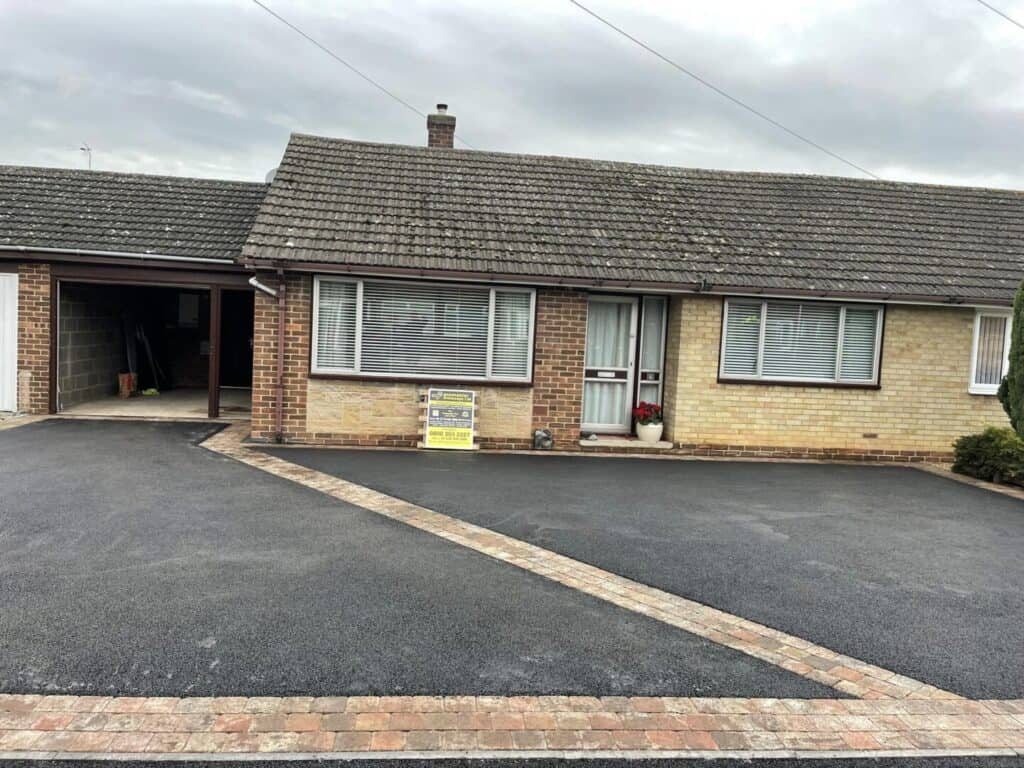
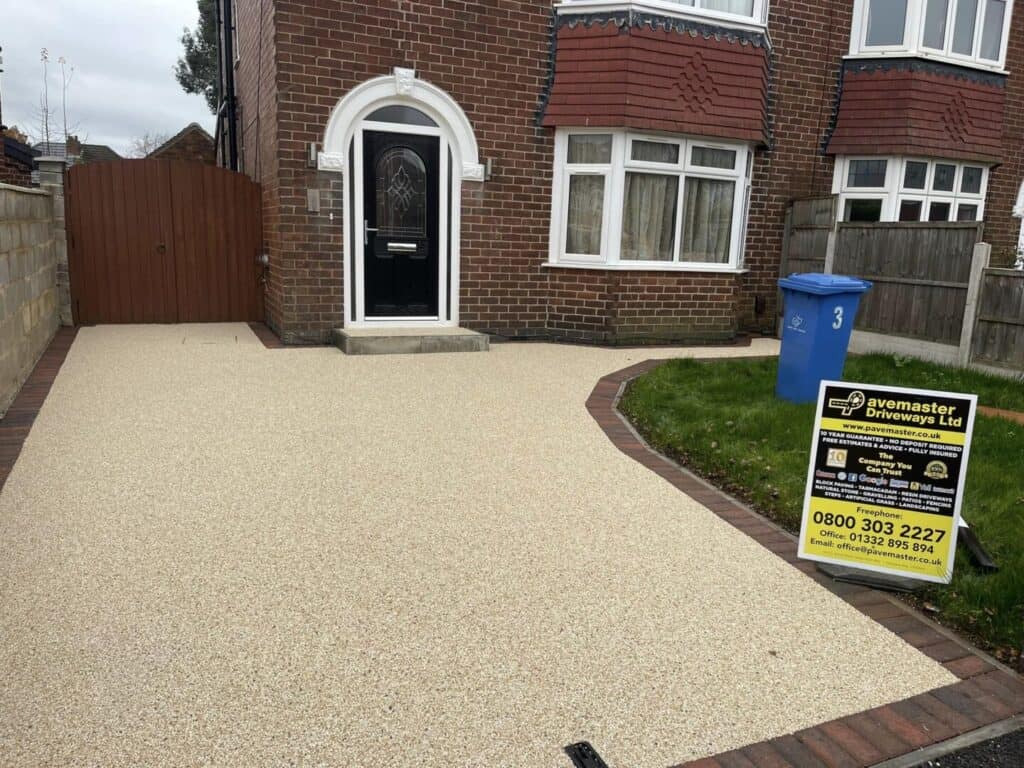
The choice of material for your driveway will have the most significant impact on your budget. Popular materials in the UK include gravel, block paving, asphalt, concrete, and resin-bound options, each with its own costs and benefits. Gravel is often the most economical choice, offering a traditional look at a relatively low price. However, it requires regular maintenance and may not be suitable for steep slopes or areas prone to heavy rainfall. Block paving is a popular mid-range option that provides a polished, customisable finish. It offers durability and aesthetic flexibility, allowing you to choose patterns and colours to suit your home’s exterior. Resin-bound surfaces are becoming increasingly popular for their sleek appearance, low maintenance, and long lifespan, though they tend to be more expensive upfront. Asphalt and concrete are excellent for durability and functionality but may lack the visual appeal of other materials unless additional features like decorative edging are added. When researching materials, ensure you compare costs from different suppliers, as prices can vary depending on location and availability. Always check for additional fees such as delivery charges or wastage, which can impact your overall budget.
Factoring in Labour Costs
Labour costs are an essential part of your driveway budget. In the UK, professional driveway installation typically involves skilled tradespeople who handle excavation, base preparation, drainage solutions, and the final laying of materials. The cost of labour can vary depending on the complexity of the project, the material being used, and regional price differences. For example, a straightforward gravel installation will cost less in labour than a block-paved driveway with intricate patterns. On average, driveway installers charge between £150 and £250 per day, with the total labour cost influenced by how long the project takes to complete. It is essential to hire experienced and reputable professionals, as poor workmanship can lead to issues like uneven surfaces or drainage problems, which may require costly repairs in the future. To avoid surprises, obtain detailed written quotes from several contractors, specifying all tasks included, such as site preparation, waste removal, and sealing or finishing.
Accounting for Planning Permissions and Regulations
In the UK, planning permissions may be required for certain driveway projects, particularly those involving impermeable materials. If you are installing a new driveway that does not allow water to drain naturally, such as concrete or traditional asphalt, you may need to apply for planning permission. Permeable materials, such as gravel, porous asphalt, or certain types of block paving, typically bypass this requirement, making them a more straightforward and often cost-effective option. Local councils have specific regulations regarding drainage to prevent flooding in residential areas, so it is vital to check the rules for your region before starting work. Failure to comply with planning regulations can result in fines or the need to modify your driveway, which can significantly impact your budget. If you are unsure about the requirements, consulting a planning expert or your contractor can save time and money in the long run.
Considering Drainage Solutions
Proper drainage is a critical aspect of any driveway, particularly in the UK, where heavy rainfall is common. Poor drainage can lead to pooling water, surface damage, and long-term structural issues. For permeable driveways, such as gravel or resin-bound systems, water naturally drains through the surface, reducing the need for additional drainage solutions. However, impermeable surfaces like concrete or traditional asphalt may require the installation of drainage systems, such as soakaways or channel drains. The cost of drainage solutions will vary depending on the size of your driveway and the type of system required. While this adds to the upfront expense, ensuring effective drainage will protect your driveway from damage and reduce the risk of costly repairs in the future. When planning your budget, include the cost of professional advice or a survey to assess your site’s drainage needs.
Evaluating Maintenance Costs
Maintenance is an often-overlooked aspect of driveway budgeting. While the initial installation cost is significant, the ongoing expense of keeping your driveway in good condition should also be considered. Gravel driveways, for instance, require regular re-levelling and replenishing of gravel to maintain their appearance. Block paving may need periodic cleaning to prevent the growth of weeds and moss, as well as occasional re-sanding to keep the joints stable. Resin-bound and tarmac driveways are relatively low maintenance but may require sealing every few years to maintain their durability and aesthetic. Concrete driveways are similarly low maintenance but may need repairs for cracks or surface damage over time. Including a maintenance fund in your budget will ensure that your driveway remains functional and visually appealing for years to come.
Preparing for Unexpected Expenses
Even with the most meticulous planning, unforeseen costs can arise during your driveway project. Issues such as unstable soil, the discovery of utility lines, or unexpected drainage problems can add to your expenses. It is wise to set aside a contingency fund of around 10–15% of your total budget to cover these potential surprises. Doing so will provide peace of mind and prevent financial strain should unexpected issues occur. Weather conditions can also impact your project, particularly in the UK. Rain or frost can delay work, leading to increased labour costs if your contractor charges by the day. Planning for these contingencies will help you avoid overspending and keep your project on track.
Exploring Financing Options
A new driveway is a significant financial commitment, and not everyone can pay for the project upfront. If you need to finance your driveway, there are several options available in the UK. Personal savings are ideal as they avoid interest payments, but if this is not feasible, a personal loan or home improvement loan may be a good alternative. Many lenders offer competitive rates for projects like driveways, with flexible repayment terms to suit your budget. Another option is to explore credit cards with 0% introductory offers, which can help spread the cost over several months without incurring interest. However, it is crucial to ensure that you can pay off the balance before the interest-free period ends to avoid high charges. When considering financing, always factor repayment amounts into your overall budget to avoid overstretching your finances.
Timing Your Driveway Installation
The timing of your project can also influence your budget. Spring and summer are typically the busiest times for driveway installations, meaning contractors may charge higher rates due to increased demand. Scheduling your project during the off-season, such as autumn or winter, can often result in lower labour costs and shorter wait times. However, be mindful of the UK’s weather conditions, as cold or wet weather can affect the installation process for certain materials. If possible, look out for seasonal sales or discounts on materials from suppliers. Many businesses offer promotions during quieter periods, providing an opportunity to save money without compromising on quality. Planning your project around these deals can help you make the most of your budget.
Conclusion
Budgeting for a new driveway in the UK requires careful consideration of various factors, from material and labour costs to drainage solutions and maintenance. By assessing your requirements, researching options, and consulting with professionals, you can create a realistic and comprehensive budget that meets your needs. A well-planned driveway project is not just an expense but an investment that adds value and functionality to your home. With the right approach, you can achieve a driveway that enhances your property while staying within your financial means, providing both practical benefits and aesthetic appeal for years to come.
Get in touch with the experts at Pavemaster Driveways today.