





How to Prepare Your Home for a New Driveway Installation
Preparing for a new driveway installation is an exciting yet complex process. Whether upgrading an existing driveway or installing one for the first time, planning and preparing your home for the work ahead ensures a smooth, efficient process and a high-quality result. A well-prepared site can also help minimise disruption to your daily life and enable the installation team to work effectively. This guide will walk you through every step of the preparation, from assessing your property’s specific requirements to post-installation cleanup and maintenance.
Assessing Your Driveway Needs
Before installation, take some time to assess your specific needs and the role your driveway will play. Consider factors such as the amount of traffic it will bear, the types of vehicles it will accommodate, and any aesthetic goals you have for the driveway’s appearance. Decide on the materials and design style that best suit your lifestyle and the architectural style of your home. Options such as block paving, concrete imprint, and resin offer different aesthetic and functional benefits. Discuss your needs with a reputable installer, who can help guide your material and design choices based on your goals, budget, and local climate.
Choosing a Trustworthy Contractor
Selecting the right contractor is essential for a successful driveway installation. Start by researching local contractors with strong reviews and experience in driveway installations. Ask for examples of their work and, if possible, speak to past clients to gain insight into their professionalism and quality of work. A reputable contractor should be transparent about costs, timelines, and their approach to driveway installation. They should also be able to advise on planning permissions if your driveway requires it. Although most UK homes don’t need planning permission for driveway work, there are some exceptions, especially if the installation impacts drainage.
Planning for Drainage and Water Management
Good drainage is crucial for any driveway, as it prevents water pooling, structural damage, and the development of mould or algae. Planning for effective drainage is particularly important in the UK, where frequent rainfall can impact outdoor spaces. When discussing your project with the contractor, ensure they provide adequate solutions for water runoff, such as sloping the driveway slightly away from the house or incorporating a drainage system. Some areas may also have legal requirements for permeable driveway surfaces, especially in urban settings, to reduce surface water runoff. Check with your local council to confirm any regulations in your area. Proper drainage planning ensures that your driveway remains safe and attractive for years to come.
Clearing the Area and Creating a Work Zone
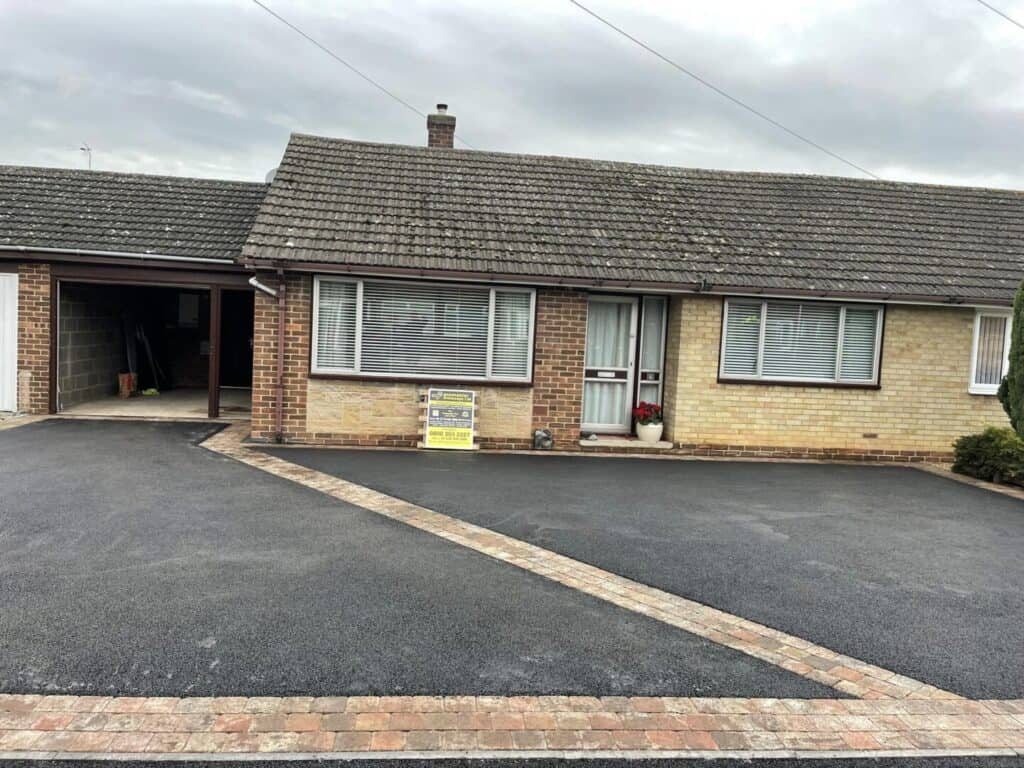
Before any work begins, clear the area where the driveway will be installed. Remove all vehicles, outdoor furniture, garden pots, and any other obstructions to give the contractors clear access to the site. Clearing the area also helps protect your belongings from dust and debris that are inevitable during the installation process. In addition to clearing the site itself, consider designating a “work zone” for the installation team. This could be a portion of your driveway, garage, or nearby area where tools, materials, and equipment can be stored. If possible, find alternative parking for your vehicles to ensure that the work zone remains undisturbed throughout the project.
Preparing for Excavation
Most driveway installations require some level of excavation, particularly if you’re replacing an old driveway or laying a new foundation. Excavation involves removing the existing surface layer and digging down to create a stable foundation. The depth of the excavation depends on factors like soil type, drainage requirements, and the load the driveway will support. During excavation, expect some noise and dust, so plan accordingly. If you have nearby gardens or delicate landscaping, you might want to cover plants or remove them temporarily to prevent damage from flying debris.
Managing Waste Disposal
Driveway installation often generates a significant amount of waste, particularly if the project includes excavation or demolition of an old surface. Discuss waste management options with your contractor beforehand to ensure that waste removal is handled responsibly. Most contractors include waste disposal as part of their services, but it’s worth confirming if skip hire or special disposal methods will be required. Efficient waste management not only keeps the worksite tidy but also ensures compliance with UK environmental regulations. If you’re replacing an asphalt or concrete driveway, find out whether materials can be recycled, as many companies now offer sustainable disposal options.
Protecting Your Home’s Exterior and Landscaping
Installation work can be messy, and debris, dust, or even heavy machinery can inadvertently damage the surrounding areas of your home. To prevent this, consider protective measures for vulnerable surfaces. Tarps or covers can shield windows and walls from dust, while barriers can be set up around landscaping to protect plants and soil. Inform your contractor if there are any delicate or high-value features in your garden or driveway area, such as ornamental trees or expensive shrubs, so they can take extra care when working around them. It’s also helpful to keep pets and children away from the installation site for safety reasons.
Communication During the Installation Process
A successful driveway installation depends on clear, ongoing communication between you and the contractor. Establish a communication plan before work begins, detailing how frequently you’d like updates and the best ways to reach one another in case questions arise. Being available to answer questions or clarify details will help the contractor make timely decisions and avoid delays. It’s also useful to walk through the installation area with the contractor before work begins to confirm the details of the project and ensure everyone is aligned. Stay in contact throughout the project to address any issues as they arise and ensure that the installation meets your expectations.
Preparing for Temporary Disruptions
Driveway installation can disrupt your usual routines, so it’s helpful to prepare for any temporary inconveniences. For instance, you may need to make alternative parking arrangements, as the driveway area will be inaccessible during installation. Consider notifying your neighbours if construction noise, equipment, or temporary parking changes will affect them. You may also want to temporarily relocate sensitive items from rooms close to the installation site, as vibration from heavy machinery can cause minor disturbances. By anticipating these small adjustments, you can ensure that the project progresses with minimal impact on your daily life.
Final Walkthrough and Quality Check
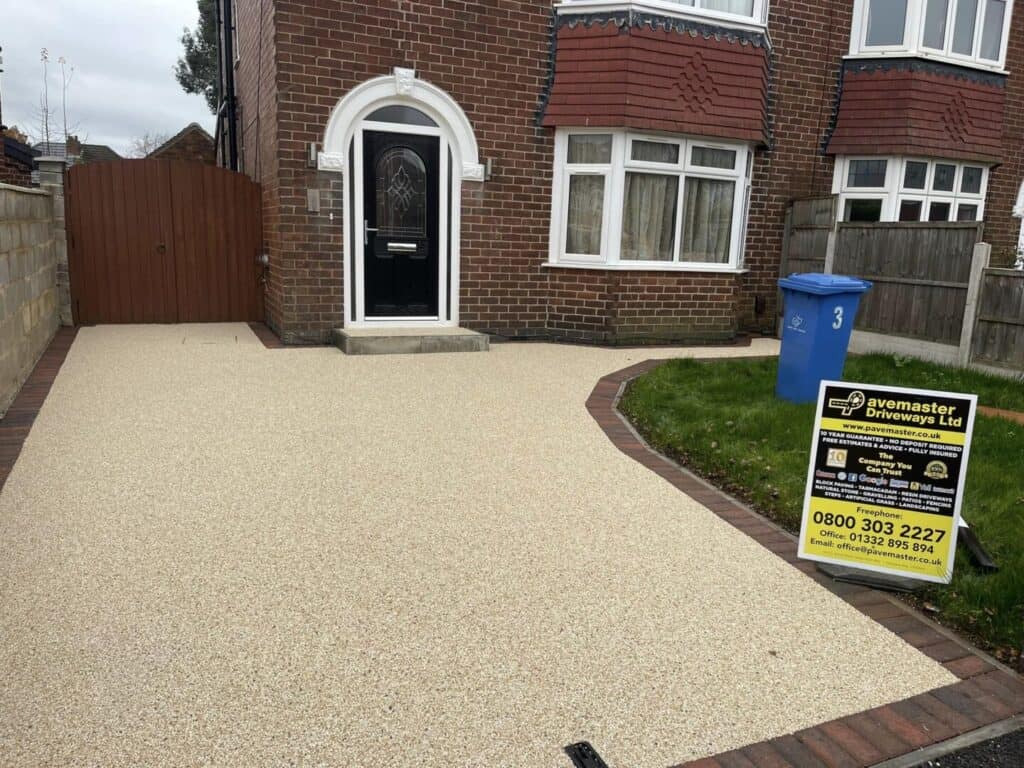
Once the installation is complete, conduct a thorough walkthrough of the new driveway with your contractor. During this inspection, check for any irregularities in the surface, such as uneven spots, cracks, or inadequate drainage slopes. Addressing these issues immediately helps prevent future complications and ensures that the driveway meets your standards. Ask the contractor for a maintenance guide, as specific materials like concrete imprint or block paving have distinct care requirements. A quality check is the final step in securing a high-quality installation that will stand the test of time and provide lasting value to your property.
Post-Installation Cleaning and Maintenance
After the installation, your driveway may require some light cleaning to remove dust and debris. If your contractor applied any sealants or coatings, they will advise on the curing time, which may affect when you can start using the driveway. Block paving, for example, often benefits from periodic cleaning to remove weeds and keep the blocks in pristine condition, while concrete imprint surfaces may require resealing every few years to maintain their finish. Following the maintenance recommendations ensures that your driveway remains in top condition and continues to add value and appeal to your property.
Enhancing Curb Appeal with Landscaping and Lighting
Once your driveway is installed, consider additional touches to enhance curb appeal and create a welcoming entry to your home. Adding landscaping elements such as low-maintenance plants or flower beds along the edges of the driveway can soften its appearance and blend it seamlessly with the surrounding environment. Pathway lighting not only improves safety but also highlights the driveway’s design, creating an attractive look for evening arrivals. Speak with your contractor about any landscaping adjustments that might have been impacted during the driveway installation. These final touches can transform a functional driveway into a stylish, cohesive part of your home’s exterior.
Planning for Seasonal Care and Repairs
Driveways in the UK are exposed to a range of seasonal weather, from rain and frost in winter to warmer summer conditions. To maintain your driveway’s appearance and durability, consider implementing seasonal care practices. For instance, regularly remove debris such as leaves or mud to prevent staining, and address weeds or moss that may start to grow. In winter, be cautious when using salt on driveways, as certain materials can be damaged by harsh de-icing chemicals. For block paving, consider applying sand or joint stabilisers to maintain structural integrity, while concrete imprint surfaces may need occasional resealing. Taking these small steps each season will extend the life of your driveway and keep it looking fresh year-round.
Understanding Local Regulations and Permissions
In the UK, certain driveway installations may require planning permission, especially if they alter drainage patterns or involve impermeable materials. For example, driveways larger than five square metres that don’t allow rainwater to drain naturally onto a permeable surface could require permission, particularly in urban areas. To avoid fines or legal issues, check with your local council regarding specific regulations before the project begins. Reputable contractors can help guide you through the planning process, often providing advice on ensuring compliance or obtaining necessary approvals. Driveways situated in conservation areas, near public roads, or listed properties may also need special consideration, as they must align with local preservation standards. These areas often have stricter guidelines to maintain the visual and historical integrity of the neighbourhood. Understanding these requirements in advance ensures that your new driveway meets all necessary guidelines and doesn’t delay the installation process.
Selecting Driveway Materials Based on Longevity and Maintenance
Choosing the right material for your driveway is crucial for long-term durability and ease of maintenance. Block paving is popular for its modularity and resilience, making it easy to replace individual blocks if they crack or stain. However, it requires periodic weed control and can benefit from sealing to maintain its fresh look. Concrete imprint driveways, meanwhile, offer a continuous surface resistant to shifting and weeds, ideal for heavy use and low maintenance. While it may need resealing every few years to maintain its appearance, this process is simple and can extend the life of the driveway significantly. Each material has unique benefits, so weigh factors such as durability, maintenance needs, and aesthetics when deciding. Discussing your lifestyle and climate with a knowledgeable contractor will help identify the best choice for your driveway, balancing practical benefits with your design preferences for a surface that lasts and enhances your home’s value.
Budgeting for Your Driveway Installation
Understanding and setting a budget is essential for a successful driveway project. Costs vary based on factors like materials, driveway size, drainage needs, and additional elements such as edging or decorative features. Block paving, concrete imprint, and resin each have different price points, with block paving often allowing for modular adjustments and concrete imprint offering longevity and low maintenance at a slightly higher cost. Beyond installation expenses, also consider the ongoing maintenance requirements for each material type, as periodic sealing or joint stabilisation can incur additional costs. A reputable contractor will provide a detailed quote that breaks down the costs, allowing you to make informed decisions within your budget. By being clear about your financial limits, you can work with your contractor to explore design adjustments or material alternatives that still meet your aesthetic and functional goals. Proper budgeting ensures that your investment adds lasting value and satisfaction to your home, enhancing curb appeal and functionality without unexpected expenses.
Wrapping Up Your Driveway Installation Journey
Getting your home ready for a new driveway installation might seem like a big task, but with the right planning and a few practical steps, the process can be smooth and stress-free – and let’s face it, nothing beats that first cuppa while admiring your newly finished driveway. At Pavemaster Driveways, we’ve helped homeowners across Hinckley, Leicester, Loughborough, and Market Harborough achieve driveways that not only look stunning but also stand the test of time.
From the moment you decide to upgrade your driveway, assessing your needs and working with a trusted contractor is essential. Whether you’re opting for the classic charm of block paving or the modern finish of concrete imprint, choosing the right material to suit your home’s style and the local character of areas like Market Harborough’s quaint villages or Leicester’s bustling suburbs is key.
Preparing your property before installation is just as important – clearing the area, ensuring proper drainage, and making space for the work to be carried out. Our team at Pavemaster Driveways takes care of all the heavy lifting, but making sure the kettle is on is always appreciated!
Once the groundwork is complete, the real transformation begins. Watching your new driveway take shape is an exciting process, whether you’re in the heart of Loughborough or the quieter streets of Hinckley. After the final block is laid or the concrete is set, post-installation care ensures your driveway remains in top condition. A little occasional maintenance goes a long way, keeping your driveway looking fresh and welcoming for years to come.
No matter where you’re based in Leicestershire, from Leicester’s vibrant city centre to the scenic surroundings of Market Harborough, investing in a professionally installed driveway adds value, functionality, and style to your home. At Pavemaster Driveways, we’re here to guide you through every step, ensuring your new driveway is a space you’ll be proud of. So, while we handle the hard work, you can sit back, relax, and get that kettle on – your perfect driveway is just around the corner.