




Resin Driveway Options: Resin Bound vs Resin Bonded Explained
The front of your home sets the tone for everything behind it, so the surface you choose matters. Resin driveways are one of the most popular choices among homeowners in Leicester and Leicestershire, and it is easy to see why. They look considered and permanent, require almost no upkeep and are built to perform for 20 years or more. They are also tough and durable, with a wide range of textures and colours to suit both traditional and contemporary properties.
Before committing to a contractor, it pays to understand the options available. Resin driveways combine clear or coloured resin with aggregate materials such as gravel and stones. Within that simple description sit two installation systems, several resin types and dozens of colour choices. This guide sets out the main resin driveway options so you can compare surfaces with confidence and brief your installer clearly.
What Is a Resin Driveway?
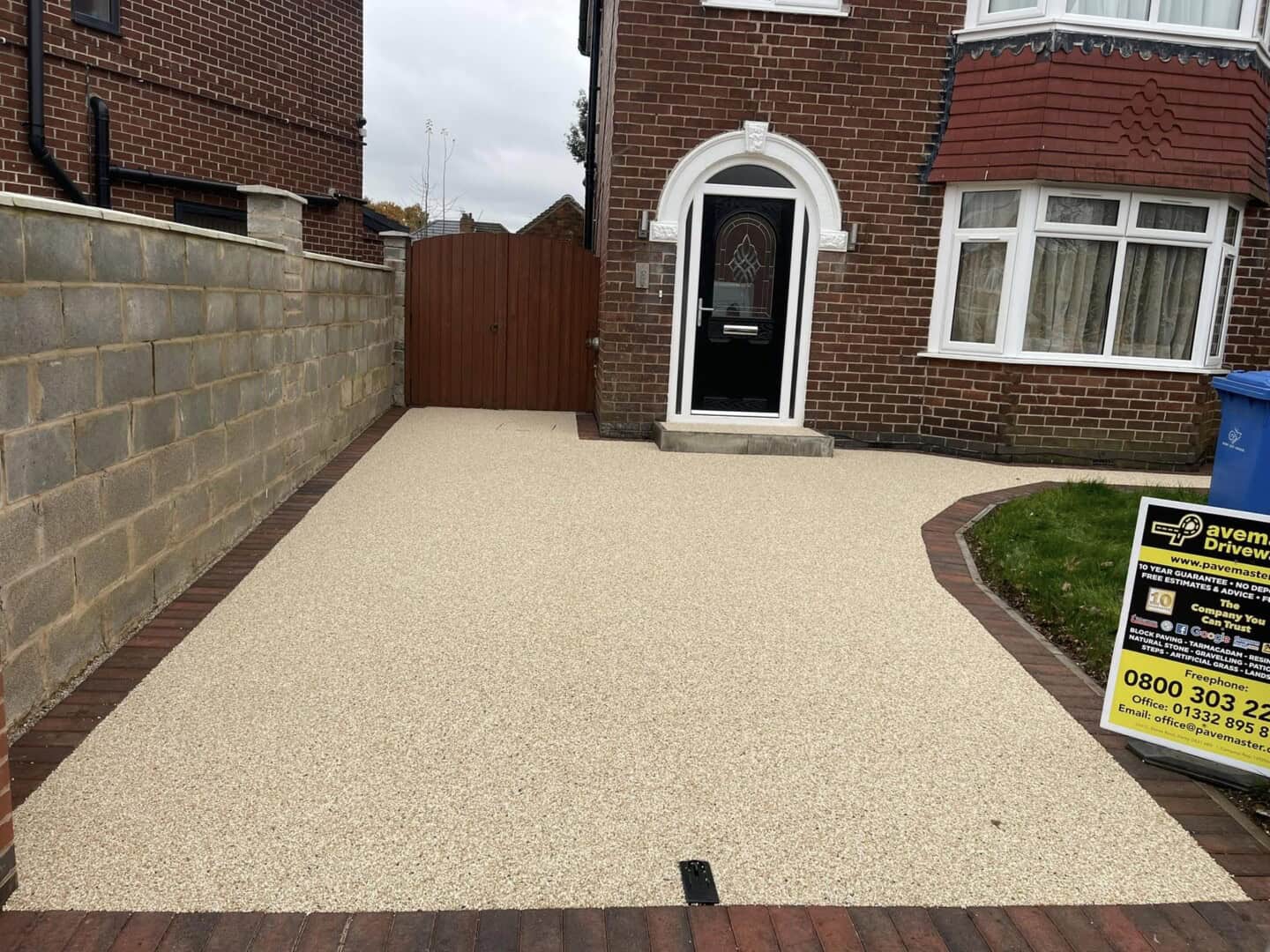
A resin driveway is a type of driveway surface created by mixing clear or coloured resin with aggregate materials like gravel, stones or crushed rock. The mixture is applied over a suitable base to form a seamless, textured finish. Because the aggregate is locked into place, resin surfaces feel solid underfoot and stand up well to vehicle traffic.
Resin paving has become an increasingly popular solution for homeowners looking for a durable, low-maintenance and visually appealing driveway. It works for full driveways, patios and poolside paths, and it offers a practical alternative to block paving, tarmac, gravel or concrete. For a busy household, the appeal is obvious: a clean, even surface that stays looking good with minimal effort.
Resin Bound vs Resin Bonded: The Two Main Options
One of the most important things to know is that there are two types of resin driveway available: resin bound and resin bonded. Both systems produce an attractive aggregate surface, but they are installed differently and perform differently once in place. The right choice depends on the condition of your existing driveway, drainage around the property and the finish you want to achieve.
Resin bound systems blend aggregate with resin to create a compact, continuous layer, while resin bonded systems are applied in a different way that gives them their own distinct character. Because the two systems are not interchangeable, a reputable installer will assess your site and recommend the system best suited to it. That initial survey matters more than any brochure image.
Whichever system you choose, ask about the resin itself. There are two types of resin available: UV-resistant and non-UV-resistant. UV-resistant resin is easier to trowel and more tolerant of different site conditions, which makes it the sensible starting point for an external driveway exposed to strong sunlight. Your installer should be able to explain exactly which resin they propose and why.
Resin Driveway Colours and Aggregate Choices
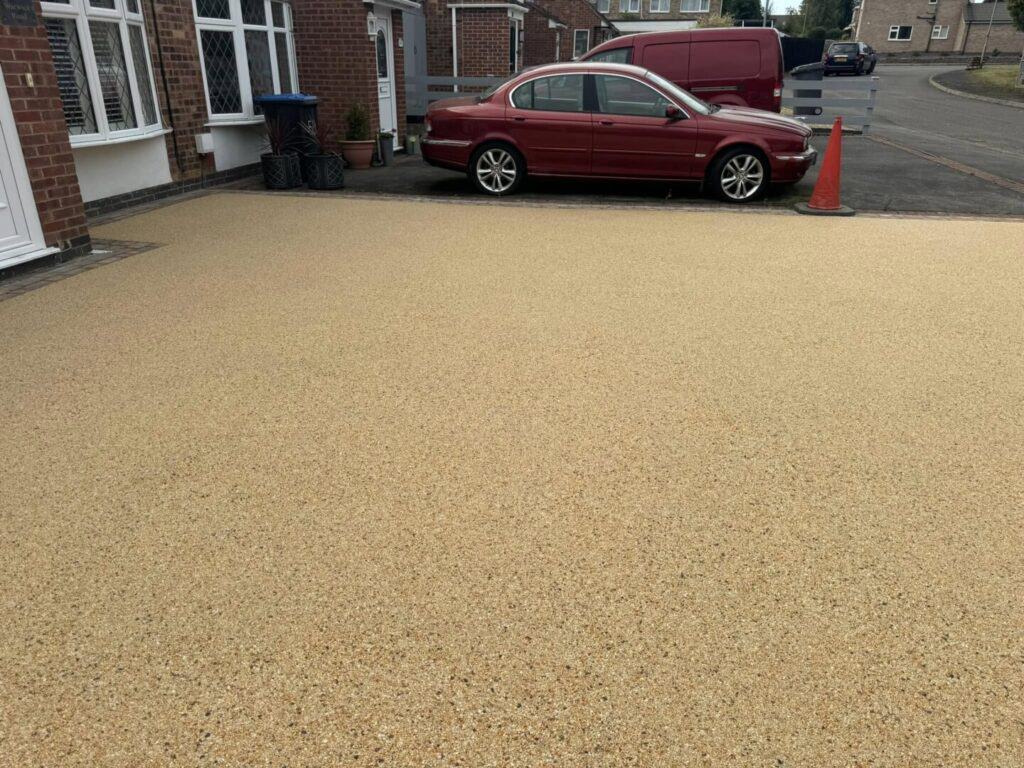
Resin bound paving is available in a wide range of natural stone colours, from warm sandstones and tawny honeys through to cool greys and slate tones. These earthy shades sit comfortably alongside brick, stone and render, which makes them a safe choice for period homes and modern builds alike.
- Warm sandstones and tawny honeys for a soft, natural look.
- Cool greys and slate tones for a sleek, contemporary feel.
- Bold reds and greens for a striking street presence.
- Pebble, white and classic grey for versatile, timeless finishes.
If you want something more dramatic, bold colours are worth exploring. Reds and greens, for example, can create a striking effect and give the driveway real visual impact. Grey, pebble, red and white resin driveways are all popular choices, and each option gives the front of a property a different personality.
The aggregate itself can be chosen for texture as well as hue. Fine aggregates produce a smoother, more refined surface, while larger stones create a more tactile, natural appearance. Because the aggregate remains visible in the finished surface, it is worth seeing sample boards together before making a final decision.
Resin bound gravel kits are also sold for those who enjoy a hands-on project, and they can be used for driveways, patios and swimming pool paths. For most homeowners, however, a professionally installed surface remains the most reliable route to a flawless finish that lasts.
How Durable Are Resin Driveways?
Resin driveways are highly durable and resist the two most common driveway complaints: cracks and potholes. The surface is tough enough to cope with daily vehicle use, and it does not need the seasonal maintenance that some other materials demand. Many resin bound installations are built to perform for 20 years or more with little more than an occasional clean.
Compared with other driveway materials, resin holds its own. Block paving is another sturdy option and remains popular in Leicester for its classic appearance. Gravel, on the other hand, can be less predictable under traffic and generally needs more attention to keep it looking tidy. Resin combines the visual appeal of natural stone with the permanence of a solid surface.
Texture and colour choices do not compromise structural quality. Resin surfaces stay tough and durable across the full range of styles, so your design preference does not have to come at the expense of performance. The key to long-term durability is preparation of the sub-base, which is just as important as the resin itself.
Preparing the Right Base for Resin
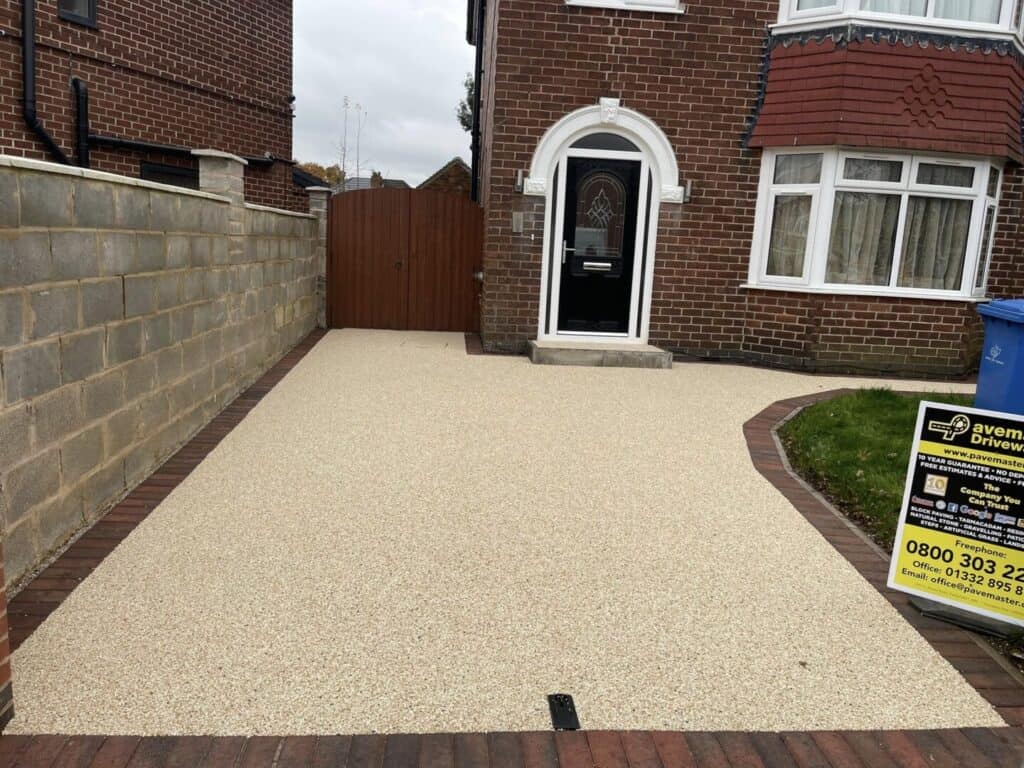
A resin driveway is only as good as the ground beneath it. The best base for a resin bound driveway is a concrete slab, because it provides a solid, flat foundation for the resin layer. A tarmac or asphalt base is another common option and offers flexibility, which can be useful where the ground is prone to slight movement.
Before any resin is laid, the existing driveway should be assessed for drainage, falls and surface condition. Fixing problems at the base stage prevents disappointment later, and it is one of the reasons an experienced installation team makes such a difference. If you are replacing an old tarmac or block paved driveway, the survey will confirm whether the original base can be reused or should be removed.
Choosing an Accredited Resin Driveway Installer
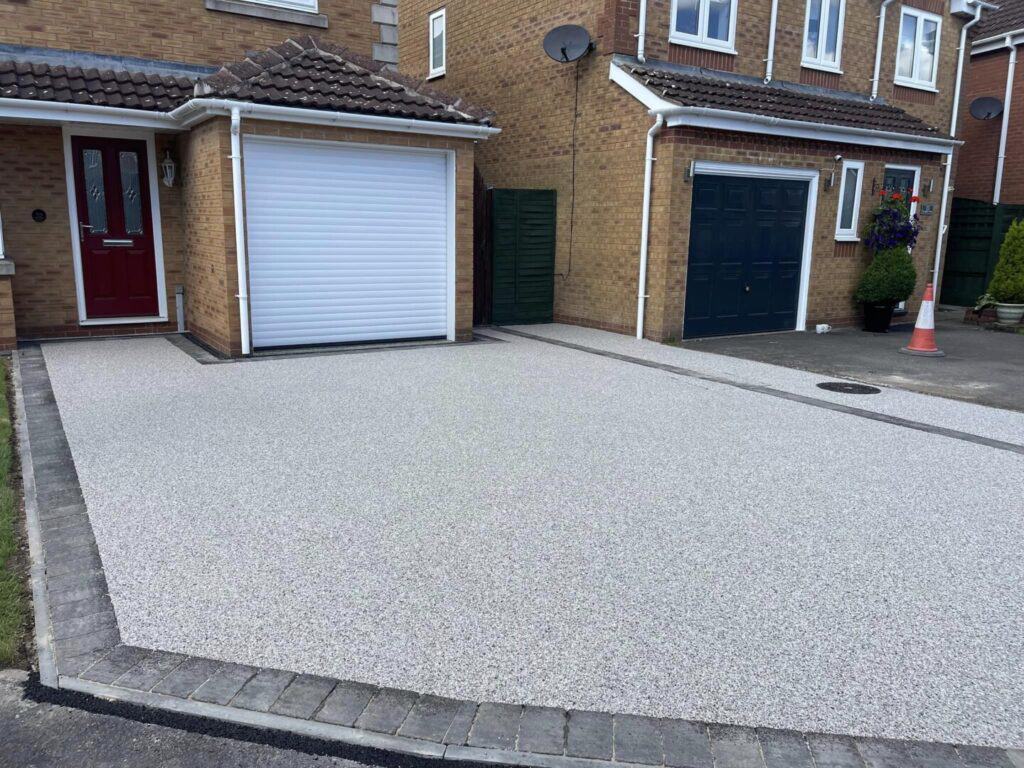
Resin is a specialist material and installation quality varies widely, so it pays to choose a contractor with proven local experience. Pavemaster has been installing driveways and patios across Leicester and Leicestershire for more than 40 years and backs every resin project with a 10-year guarantee.
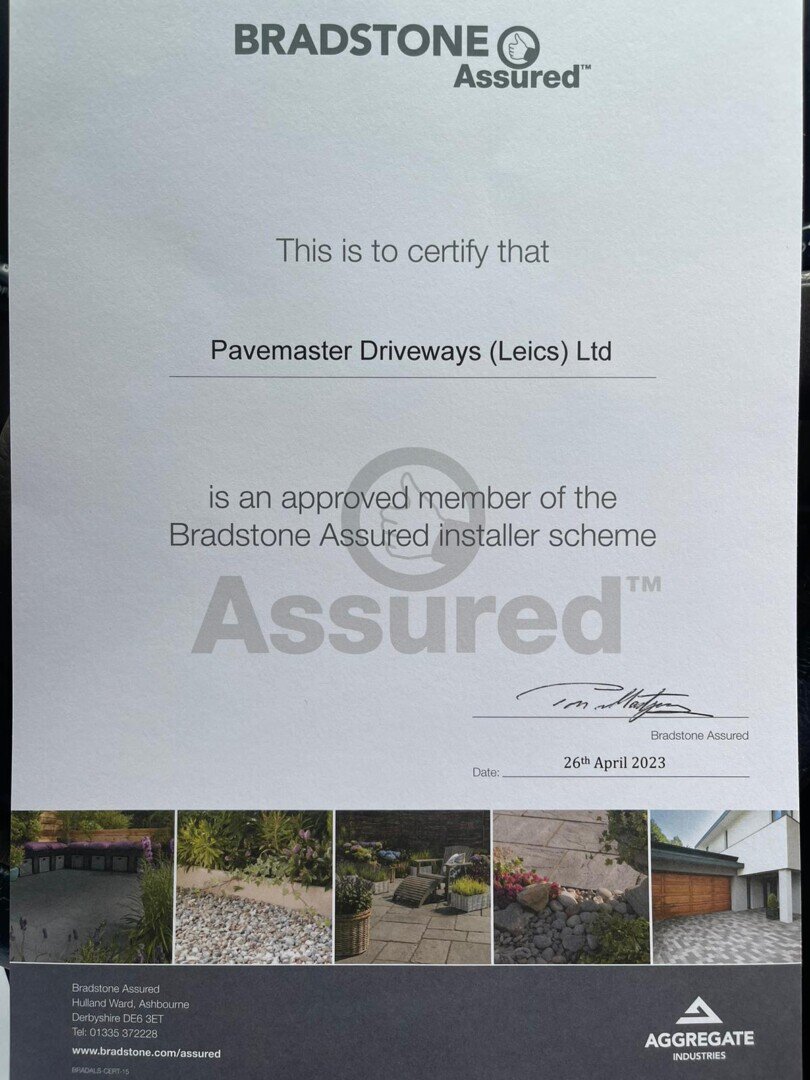
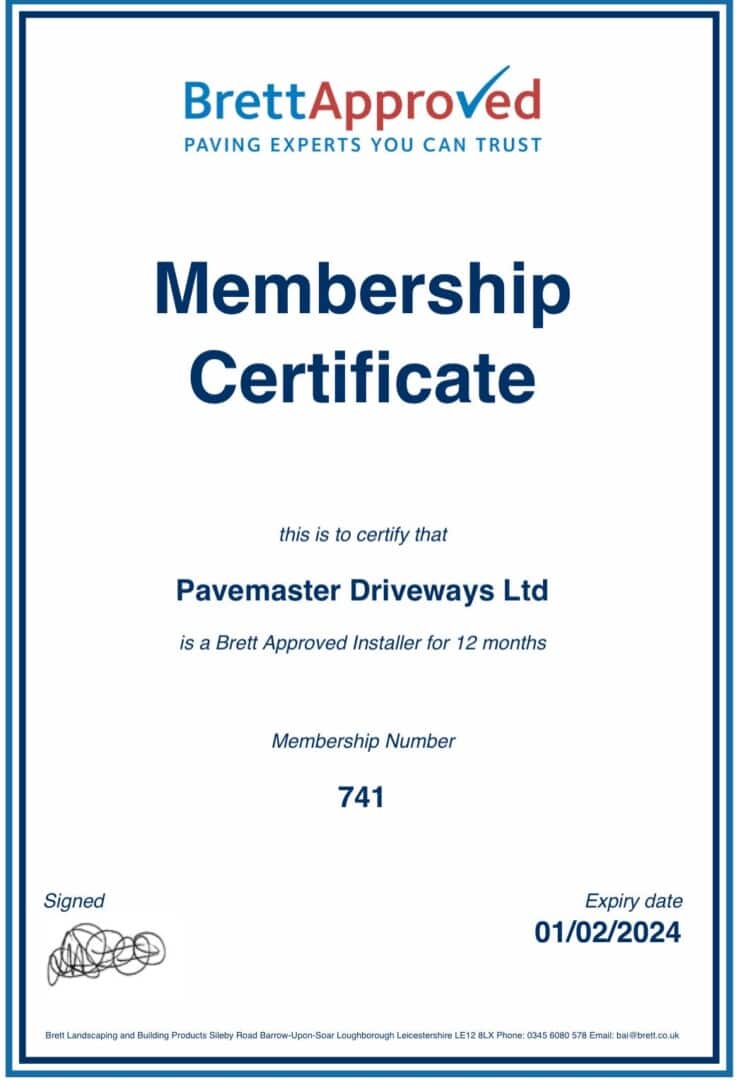
Accreditation matters too. Working with suppliers such as Bradstone and Brett, both recognised names in the hard landscaping sector, gives homeowners extra confidence that materials and workmanship meet a consistent standard. Pavemaster also holds Trustatrader accreditation and welcomes feedback through Trustpilot, so you can read about the experiences of nearby customers before you commit.
Every resin driveway project should begin with a free quote and site consultation. That visit allows the installer to measure accurately, discuss resin bound and resin bonded options, show colour samples and talk through timings. With the right preparation and the right team, a resin driveway can transform the approach to your home and stay looking strong for decades.
Frequently Asked Questions
What is the difference between resin bound and resin bonded?
Resin bound and resin bonded are the two main types of resin driveway, and they differ in how the aggregate is combined with the resin and applied to the base. The choice affects the final texture, appearance and suitability for your site. A qualified installer can explain the practical differences during a survey and recommend the system best suited to your driveway.
What colours are available for a resin driveway?
Resin paving comes in a wide range of natural stone colours, including warm sandstones, tawny honeys, cool greys and slate tones. For a bolder look, reds and greens can create a striking effect, and grey, pebble, red and white resin driveways are all popular choices. Your installer should show you sample boards so you can see the colours in natural light before making a decision.
Do resin driveways crack or develop potholes?
Resin driveways are highly durable and resist the cracks and potholes that can affect other surfaces. They also require very little upkeep and do not need the seasonal maintenance associated with some paving types. Provided the base is properly prepared, a resin bound surface is built to perform for 20 years or more.
What base is needed for a resin bound driveway?
The best base for a resin bound driveway is a concrete slab, which provides a solid and flat foundation for the resin layer. A tarmac or asphalt base is another suitable option and offers flexibility where the ground is less stable. During a site survey, your installer will check the existing base and advise whether it can be reused or needs to be replaced.