




How To Kill Moss On A Driveway
Moss on a driveway is a common issue, especially in the UK where damp weather conditions encourage its growth. While moss may seem harmless at first, it can create a slippery surface, making driveways dangerous in wet conditions. If left untreated, it can also cause damage by loosening paving or creating cracks in certain surfaces. The good news is that there are multiple ways to remove moss and prevent it from returning. The best method will depend on the type of driveway you have, as some surfaces require more delicate treatment than others.
Why Does Moss Grow on Driveways?
Moss thrives in damp, shaded areas where moisture is retained. Driveways that don’t receive much direct sunlight, particularly those shaded by trees or buildings, are more likely to develop moss. Poor drainage also contributes to the problem, as standing water provides the perfect environment for moss to take hold. The porous nature of some driveway materials, such as block paving and tarmac, can make them particularly vulnerable to moss growth as they retain moisture more easily. Autumn leaves and organic debris that accumulate on driveways also create the ideal conditions for moss to spread. Regular maintenance and keeping driveways clear of leaves and dirt can help reduce the chances of moss taking over.
Removing Moss from Block Paving
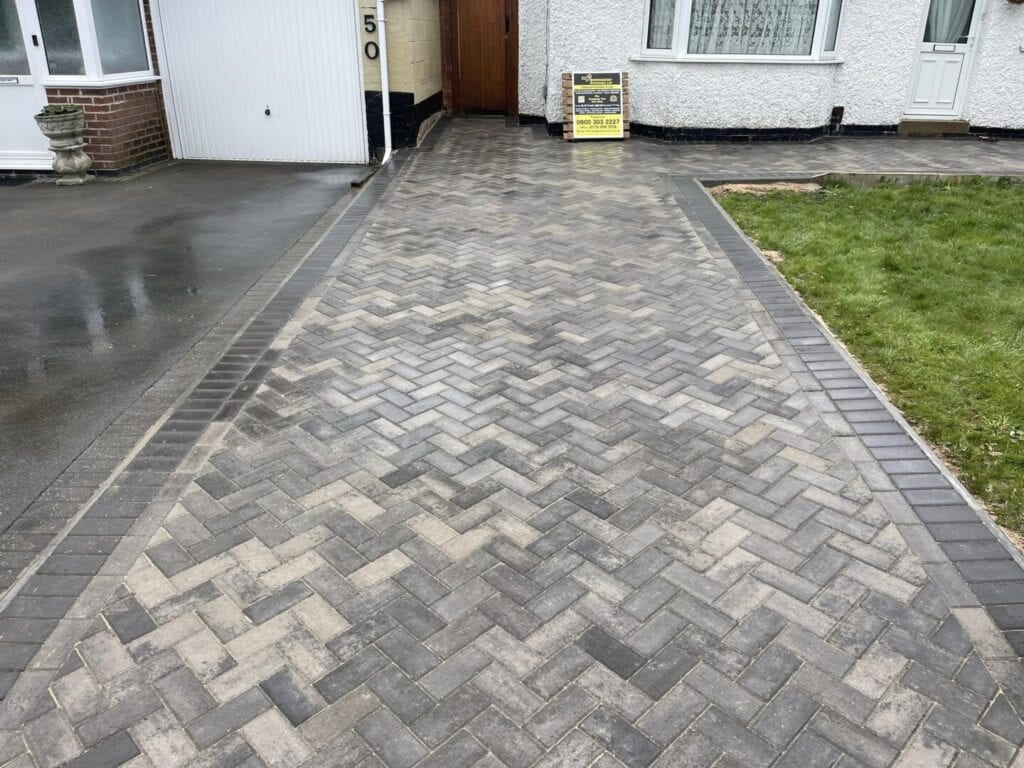
Block paving is a popular choice for driveways in the UK due to its attractive appearance and durability. However, the gaps between the bricks can quickly become a breeding ground for moss, as they allow moisture to settle. Over time, the moss can cause the blocks to become loose if left untreated. One of the most effective ways to remove moss from block paving is by using a pressure washer. The high-pressure water blasts away the moss and any dirt that has built up between the blocks. However, excessive pressure can also dislodge the sand between the paving, so care must be taken not to damage the surface. After pressure washing, it’s essential to refill the joints with kiln-dried sand to prevent weeds and moss from returning. For those who prefer a gentler approach, a mixture of water and vinegar can be applied to the moss before scrubbing it away with a stiff brush. Alternatively, a specialised moss and algae remover can be used to kill the moss before manually removing it. Regular sweeping and keeping the surface as dry as possible will help prevent moss from growing back.
Treating Moss on Resin Driveways
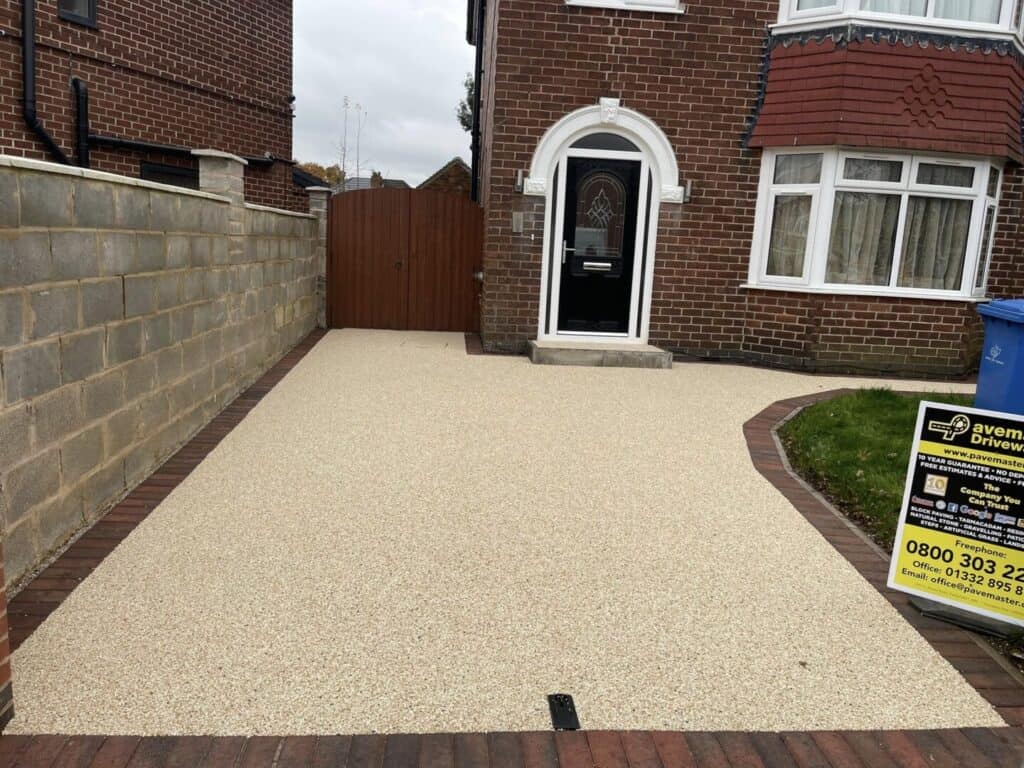
Resin driveways are known for being low maintenance, but they are not entirely resistant to moss growth. While the smooth, non-porous surface makes it harder for moss to take hold, it can still develop in areas that are shaded and damp for long periods. Unlike block paving, resin driveways cannot be pressure washed aggressively, as this can damage the surface. A simple solution for removing moss from resin driveways is to use a diluted mixture of water and bleach. This should be applied directly to the moss, left for a short period, and then rinsed off with water. Alternatively, a biodegradable moss killer that is safe for resin-bound surfaces can be used. A soft-bristle brush can help to lift stubborn patches of moss without causing any damage. Regularly sweeping the driveway and ensuring good drainage will help to prevent future moss growth. If necessary, an anti-moss treatment can be applied periodically to discourage further infestations.
Dealing with Moss on Concrete Imprint Driveways
Concrete imprint driveways, also known as patterned concrete, are a stylish and durable choice for many homeowners. However, because they are usually sealed to protect the surface, moss growth is often limited to cracks or areas where the sealant has worn away. When moss does develop, it can be difficult to remove without damaging the decorative finish. A soft wash approach is usually the best way to deal with moss on a concrete imprint driveway. Applying a moss-killing solution and leaving it to soak in before gently rinsing the surface can be effective without causing any damage. Using a mild detergent mixed with water and scrubbing with a soft brush can also help remove smaller patches of moss. To prevent moss from returning, resealing the driveway every few years can help protect the surface. Ensuring proper drainage and keeping the driveway free of dirt and debris will also reduce the likelihood of moss developing.
Removing Moss from Tarmac Driveways
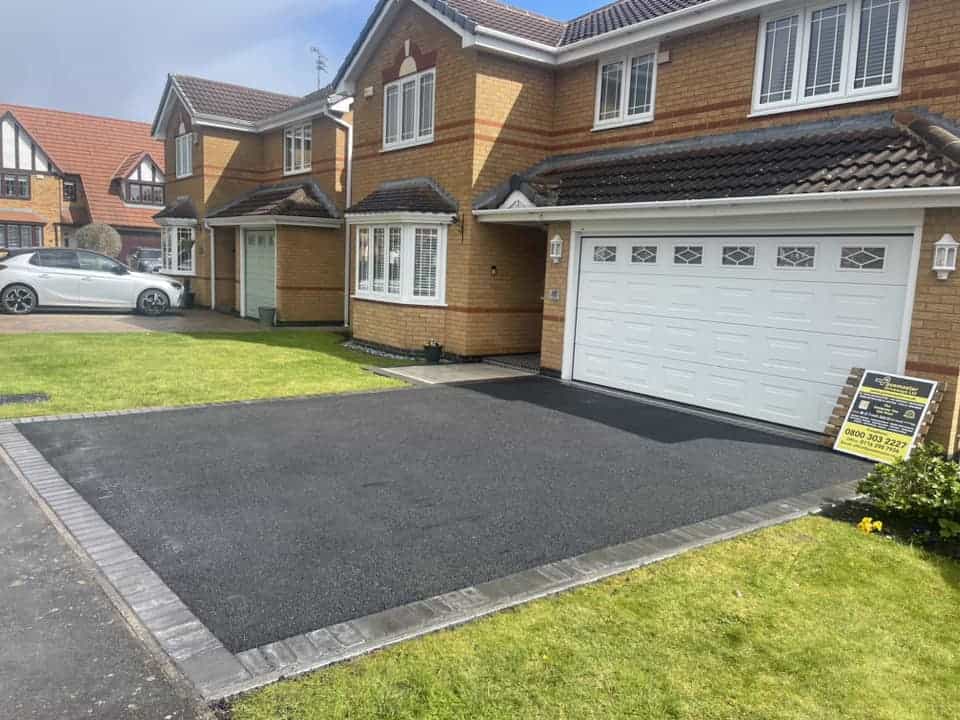
Tarmac is one of the most porous driveway materials, meaning it retains moisture more than other surfaces. This makes it particularly susceptible to moss growth, especially in shaded areas where water doesn’t evaporate quickly. Moss on tarmac driveways can be unsightly and, if left untreated, can lead to cracks and deterioration of the surface. One of the most effective ways to remove moss from tarmac is by using a combination of a moss-killing solution and a stiff brush. Spraying the affected areas with a moss treatment, allowing it to work for a few hours, and then scrubbing with a stiff broom can lift the moss from the surface. A hose or low-pressure wash can then be used to rinse away any remaining debris. Using a pressure washer on tarmac should be done with caution, as excessive pressure can damage the surface, especially if the tarmac is old or worn. For best results, applying a tarmac restorer after cleaning can help protect the driveway and reduce the chances of moss growing back.
Natural and Chemical Moss Killers
There are many products available to help kill moss on driveways, ranging from natural remedies to chemical treatments. A mixture of white vinegar and water can be effective at breaking down moss, though care should be taken to avoid contact with nearby plants, as vinegar can also kill grass and flowers. Similarly, a combination of salt and water can be used to dehydrate moss, but excessive salt can be harmful to surrounding soil. Chemical moss killers, such as those containing iron sulphate, are highly effective at eliminating moss and preventing regrowth. These products typically work by drying out the moss, causing it to turn black and die off within a few days. When using any chemical treatment, it is important to follow the manufacturer’s instructions and ensure that the product is safe for the specific driveway material. For those who prefer eco-friendly options, there are biodegradable moss removers available that work without harming the environment. These products are often safe to use around pets and plants, making them a good choice for households with gardens nearby.
Preventing Moss from Returning
Once the moss has been removed, taking steps to prevent its return will help keep the driveway looking clean and well-maintained. Improving drainage is one of the most effective ways to stop moss from growing. If water tends to pool on the driveway, addressing the issue with better drainage solutions can help keep the surface dry. Keeping the driveway free of leaves, dirt, and organic debris will also reduce the likelihood of moss developing. Regularly sweeping the surface and trimming overhanging trees to allow more sunlight can make a significant difference. Applying a moss-resistant treatment or sealing the driveway can provide an added layer of protection, particularly for porous materials like tarmac and block paving.
Choosing the Best Method for Your Driveway
The best way to kill moss on a driveway will depend on the type of surface and the severity of the problem. While pressure washing is highly effective for block paving, it may not be suitable for resin or patterned concrete surfaces. Chemical treatments can work quickly, but natural alternatives may be preferred in environmentally sensitive areas. Whatever method is chosen, regular maintenance and preventative measures will ensure that the driveway remains moss-free for longer. By understanding the causes of moss growth and choosing the right approach for your specific driveway material, it is possible to keep the driveway looking clean, safe, and well-maintained throughout the year. With a little effort and ongoing care, moss problems can be managed effectively, reducing the risk of slips and maintaining the driveway’s appearance.
Contact the team at Pavemaster Driveways for a free quote on your driveway.