




Do You Need Permission to Put a Driveway in Your Garden?
Transforming part of your garden into a driveway can be a practical solution, especially if you’re seeking additional parking space. In the UK, where parking can be a premium, a driveway can add both convenience and value to your property. However, before grabbing a shovel or calling a contractor, it’s essential to consider whether you need permission to install a driveway in your garden. The process involves navigating planning permissions, understanding regulations, and considering environmental impacts. This blog post will guide you through these crucial aspects, ensuring that your driveway project is legally compliant and aligns with local regulations.
Understanding Planning Permission: The Basics
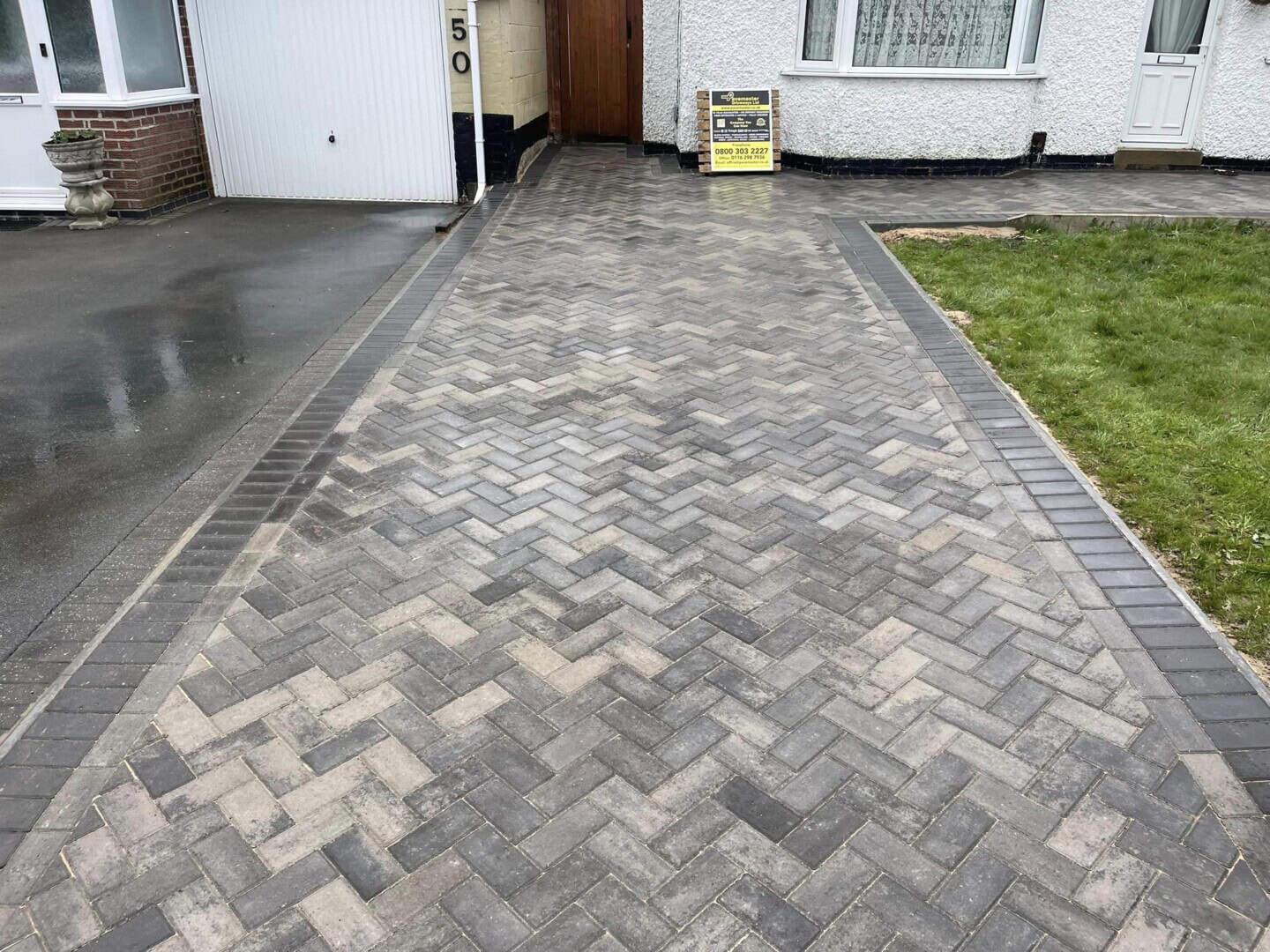
Planning permission is a critical consideration when making any significant alterations to your property. In the UK, whether or not you need planning permission to install a driveway depends on various factors, including the type of property, the nature of the work, and local planning regulations. For most homes, installing a driveway does not require planning permission if it meets specific criteria. The primary consideration is whether the driveway will be constructed using permeable materials, such as gravel, porous asphalt, or permeable concrete blocks. These materials allow water to drain through, preventing water runoff that can lead to flooding and other environmental issues. If you intend to use impermeable materials, like traditional concrete or asphalt, planning permission will typically be required unless the driveway is designed to direct runoff water to a lawn or border, where it can naturally soak away. This rule applies mainly to driveways covering an area of more than five square metres. If the driveway is smaller than this, planning permission may not be necessary, regardless of the materials used.
The Role of Permitted Development Rights
Permitted Development Rights (PDR) are rights granted by Parliament that allow homeowners to make certain changes to their properties without needing to apply for planning permission. Driveways often fall under these rights, meaning that you can install a driveway without needing to go through the planning process, provided specific conditions are met. For instance, if you live in a house, not a flat or maisonette, and your property is not listed or located in a conservation area, you generally have more freedom under PDR. The key is ensuring the driveway is permeable or that provisions are made for water to be appropriately managed. However, even under Permitted Development Rights, local councils can remove these rights in certain areas through an Article 4 Direction. This directive removes PDR in specific locations, usually to protect the character of an area or because of particular environmental concerns. If your home is in such an area, you would need to apply for planning permission regardless of the driveway’s size or the materials used.
Special Considerations: Conservation Areas and Listed Buildings
If your property is located within a conservation area or is a listed building, the process of installing a driveway becomes more complicated. Conservation areas are designated to preserve the character and appearance of historically significant areas. In such locations, even minor changes can have a significant impact, and local councils are usually more stringent with planning controls. For listed buildings, any work that affects the character of the property, including the installation of a driveway, will require Listed Building Consent. This consent is separate from planning permission and focuses specifically on preserving the historical and architectural significance of the building. The process involves a detailed application, and the council will assess whether the proposed changes respect the building’s heritage. In many cases, you may be required to use specific materials or design features to ensure that the driveway does not detract from the property’s historical value.
Environmental and Drainage Considerations
One of the main reasons planning permission might be required for a driveway is environmental concern, particularly related to drainage. As mentioned earlier, permeable materials allow water to soak into the ground naturally, reducing the risk of surface water flooding. This is increasingly important as urban areas expand, and traditional gardens are replaced with impermeable surfaces that contribute to flooding. The UK government has made efforts to address this issue through planning policies that encourage or require the use of sustainable drainage systems (SuDS). When planning a driveway, especially in areas prone to flooding, it’s important to consider how water will be managed. If your driveway design does not allow for proper drainage, the local council may require changes to your plans or deny permission altogether. In some cases, you may be able to incorporate a soakaway or a drainage channel to direct water away from the driveway. These systems can help manage runoff and are often a key component of SuDS. While they add to the cost of the project, they can prevent potential issues down the line and are often required to meet planning regulations.
Driveways and Local Authority Policies
Beyond national regulations, local authorities often have their own policies regarding driveways. These policies can vary significantly from one council to another, reflecting the specific needs and concerns of the local area. For example, some councils may have more stringent rules for driveways in areas where flooding is a known risk, or in neighbourhoods where preserving green spaces is a priority. Before starting any work, it’s a good idea to consult with your local planning authority. They can provide guidance on whether your proposed driveway will require planning permission and what specific conditions you need to meet. Many councils offer pre-application advice, where you can discuss your plans with a planning officer and get feedback before submitting a formal application.
Highways and Access Considerations
Another factor to consider is how your driveway will connect to the public highway. If you are creating a new access point to a main road, you may need permission from the local council’s highways department. This is particularly true if the driveway will cross a public pavement or verge. The council may require that you install a dropped kerb, which allows vehicles to safely access the driveway without damaging the pavement. Installing a dropped kerb usually requires a separate application to the council, and there may be additional costs involved. The council will assess whether the new access point is safe and meets all necessary standards, particularly regarding visibility for both pedestrians and drivers. If the proposed driveway could pose a safety hazard, the council may deny permission or require modifications to your plans. It’s also worth considering how the driveway will impact your neighbours. In some cases, creating a new driveway or access point could lead to disputes, particularly if it involves removing a shared boundary or affects parking availability on the street. Open communication with your neighbours can help prevent conflicts and ensure that your project goes smoothly.
The Costs Involved
Installing a driveway is not just about laying down some paving stones or asphalt; there are various costs involved that you need to consider. Beyond the materials and labor, potential costs include planning application fees, the cost of installing a dropped kerb, and any additional work required to manage drainage. If your driveway requires planning permission, the application fee varies depending on the size of the project and your local council. In England, the fee for a householder planning application is typically around £206, but this can vary. For listed buildings or properties in conservation areas, additional fees might be required for the necessary consents. The cost of installing a dropped kerb also varies but can range from a few hundred to several thousand pounds, depending on the complexity of the work. This cost usually includes the necessary permissions, materials, and labour, but it’s important to check with your local council for specific details. If drainage solutions are required, such as a soakaway or drainage channels, these can add to the overall cost. While these systems help ensure compliance with planning regulations, they also increase the upfront investment needed for the project.
Planning for the Future
When installing a driveway, it’s important to think about the long-term implications of your choices. A well-designed driveway can add significant value to your home, both in terms of functionality and curb appeal. However, it’s also important to consider how the driveway will age and what maintenance will be required. For instance, permeable materials might require more upkeep to prevent blockages that can reduce their effectiveness. Regular cleaning and maintenance will be necessary to ensure that water can continue to drain properly. On the other hand, impermeable materials like concrete or asphalt may require less frequent maintenance but could lead to drainage issues over time if not properly managed. If you plan to sell your home in the future, it’s worth considering how the driveway will be perceived by potential buyers. A well-maintained, legally compliant driveway can be a strong selling point, while one that does not meet planning requirements could deter buyers or lead to complications during the sale process.
Taking the Right Steps
Installing a driveway in your garden can be a practical and valuable addition to your home, but it’s crucial to approach the project with careful planning and consideration. Understanding whether you need planning permission, adhering to local regulations, and considering environmental impacts are all key steps in ensuring a successful outcome. By researching the specific requirements in your area, consulting with your local planning authority, and considering the long-term implications of your choices, you can create a driveway that not only meets your immediate needs but also adds lasting value to your property. Whether you opt for a permeable gravel driveway that blends seamlessly with your garden or a more substantial paved area with proper drainage solutions, taking the time to plan carefully will ensure that your driveway is both functional and compliant with UK planning laws. Contact the team at Pavemaster to find out more.