




How Long Should You Wait to Seal a New Driveway?
Sealing a driveway is an important step in maintaining its appearance and prolonging its lifespan. However, one of the most common questions that arise when installing a new driveway is: how long should you wait before sealing it? The answer to this question depends on several factors, including the type of driveway, weather conditions, and the specific materials used. Sealing your driveway too soon or too late can impact its durability and performance, so it’s crucial to understand the best timing to protect your investment. This comprehensive guide will explore everything you need to know about sealing a new driveway, helping you make informed decisions for your home.
Understanding the Purpose of Sealing a Driveway
Before delving into the timing of sealing a driveway, it’s essential to understand why sealing is necessary in the first place. Driveway sealing involves applying a protective layer over the surface, which helps shield it from various elements such as water, oils, chemicals, and UV rays. Over time, exposure to these elements can lead to cracks, fading, and general wear and tear. Sealing helps to prevent water penetration, which can cause freeze-thaw damage in colder months. It also provides a barrier against oil and chemical spills that can stain and degrade the surface. Furthermore, sealing can enhance the appearance of the driveway, giving it a fresh and clean look. By investing in sealing, homeowners can extend the life of their driveway, maintain its aesthetic appeal, and potentially save on costly repairs in the long run.
Types of Driveways and Their Sealing Requirements
The timing for sealing a new driveway varies depending on the type of material used. Common driveway materials in the UK include asphalt, concrete, and block paving, each with its own unique properties and maintenance requirements. Understanding these differences is key to determining the appropriate time to seal your driveway. Asphalt driveways are popular for their relatively low cost and smooth finish. However, they are also more susceptible to weather damage, especially from rain and sun. Sealing an asphalt driveway helps protect it from oxidation and water penetration, both of which can lead to cracks and deterioration. Concrete driveways are known for their strength and durability, but they are not immune to damage. Concrete can crack due to freeze-thaw cycles, water infiltration, and the impact of heavy vehicles. Sealing a concrete driveway adds an extra layer of protection, reducing the likelihood of stains and surface damage. Block paving, often made from clay or concrete blocks, offers a decorative option for driveways with various patterns and colours. While block paving is generally durable, the spaces between the blocks can become vulnerable to weed growth, water penetration, and shifting over time. Sealing block paving helps stabilise the blocks, prevent weed growth, and enhance the overall appearance. Each type of driveway has different needs when it comes to sealing, and these differences affect the waiting time before applying the sealant.
When to Seal a New Asphalt Driveway
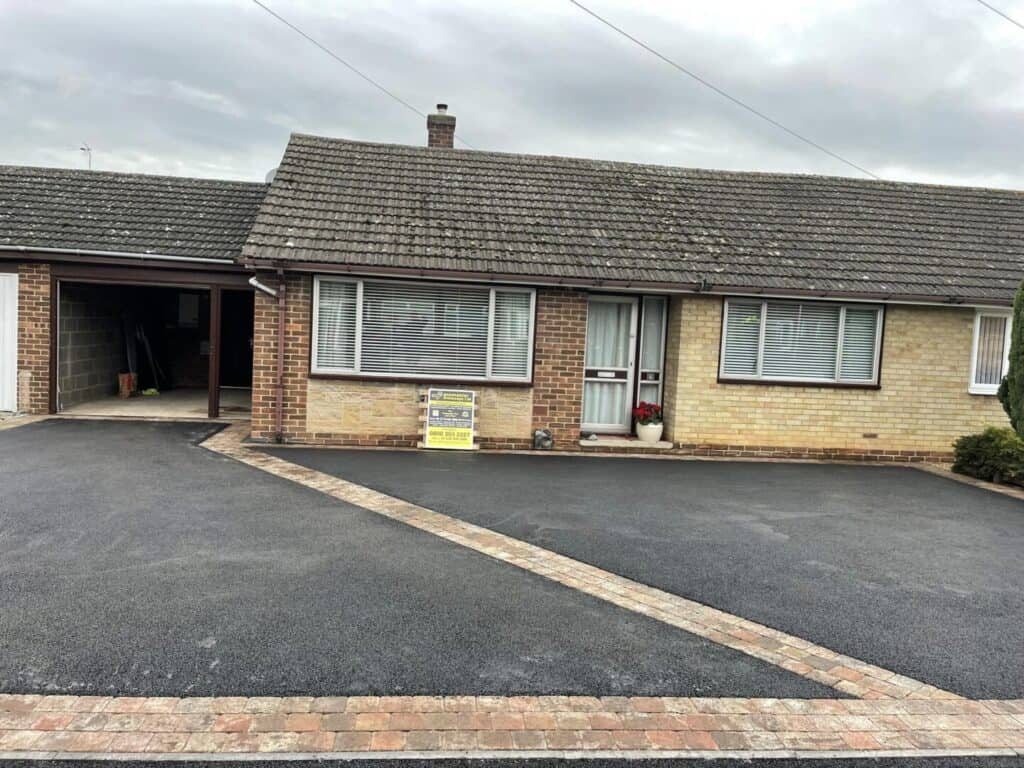
Asphalt driveways require a specific waiting period before sealing to ensure that the asphalt has properly cured. Curing is the process by which the asphalt hardens and reaches its maximum strength. Sealing too early can trap oils in the surface, preventing proper curing and leading to a soft, tacky finish that is easily damaged. Typically, you should wait between six months to a year before sealing a new asphalt driveway. This waiting period allows the asphalt to fully cure and harden, ensuring that the sealant adheres properly and provides the intended protection. If the sealant is applied too soon, it can interfere with the curing process, causing the driveway to remain soft and prone to damage. The exact time frame for sealing can vary depending on weather conditions. Warmer weather speeds up the curing process, while colder or wetter conditions can slow it down. In the UK, where the weather is often unpredictable, it’s best to wait for a period of dry, warm weather before sealing. Sealing during dry conditions ensures that the driveway is completely dry, which is essential for the sealant to bond effectively with the surface. If you’re unsure whether your asphalt driveway is ready to be sealed, there are some indicators you can look for. The surface should no longer appear shiny, and the asphalt should feel firm to the touch. If it still feels soft or sticky, it’s too early to apply the sealant.
When to Seal a New Concrete Driveway
Concrete driveways also require a specific curing period before sealing. The curing process for concrete involves the gradual hardening of the material as the water within it evaporates. This process is crucial for achieving the strength and durability that concrete is known for. Generally, it is recommended to wait at least 28 days before sealing a new concrete driveway. This four-week period allows the concrete to cure sufficiently and ensures that the sealant will adhere properly. Sealing too early can trap moisture in the concrete, leading to issues like surface blisters, discoloration, and reduced durability. However, some experts suggest waiting even longer, particularly in cooler climates or during periods of wet weather. If the concrete driveway is not fully cured, the sealant can cause problems with moisture retention, potentially leading to long-term damage. To determine if your concrete driveway is ready for sealing, you can perform a simple water test. Sprinkle a few drops of water onto the surface; if the water beads up and does not absorb quickly, the concrete may still have residual moisture and needs more time to cure. If the water is absorbed into the concrete within a few minutes, the surface is likely ready for sealing.
When to Seal a New Block Paving Driveway
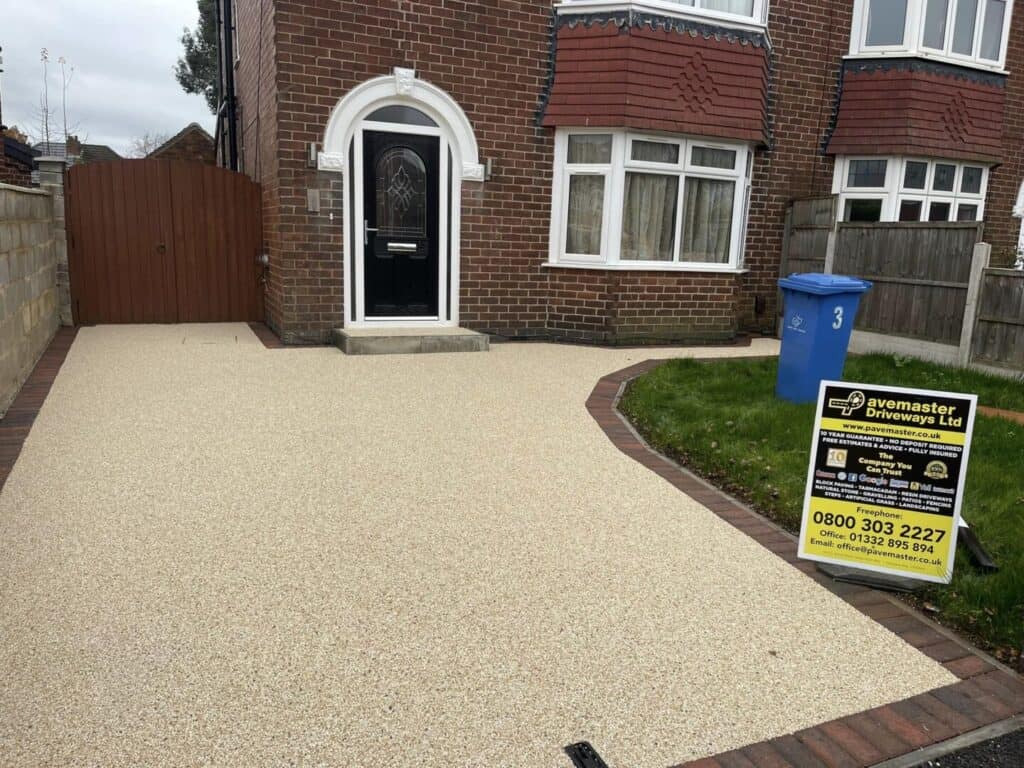
Block paving driveways, made from individual blocks or bricks, have different considerations when it comes to sealing. Unlike asphalt and concrete, block paving doesn’t require a lengthy curing period because the blocks are pre-cured during manufacturing. However, it’s still important to wait for the correct timing before sealing to ensure the best results. For a new block paving driveway, it’s advisable to wait a few weeks to a couple of months before applying a sealant. This waiting period allows for the sand between the blocks to settle properly and ensures that any efflorescence—a white, powdery residue that sometimes appears on new paving—is fully washed away. Efflorescence is a natural occurrence in new block paving, caused by salts rising to the surface. Sealing too soon can trap these salts, leading to a hazy appearance that detracts from the look of your driveway. It’s also essential to ensure that the driveway is completely clean and dry before sealing. If there is dirt, debris, or moisture on the surface, the sealant may not adhere properly, leading to uneven coverage and reduced effectiveness. Cleaning the driveway thoroughly and allowing it to dry for at least 24 hours in dry weather is recommended before sealing.
Factors That Affect Sealing Timing
Several factors can influence the optimal timing for sealing a new driveway, beyond the general guidelines provided for each material type. Weather conditions play a significant role, as the UK’s climate can often be unpredictable with frequent rain and fluctuating temperatures. Sealing should always be done in dry conditions with a temperature ideally above 10 degrees Celsius to ensure proper adhesion and curing of the sealant. The specific type of sealant used also affects the timing. Some sealants are designed for use in cooler temperatures or in slightly damp conditions, while others require completely dry surfaces and warm weather. Always follow the manufacturer’s instructions for the specific sealant product you choose, as these guidelines will provide the best advice on the timing and application process. The condition of the driveway is another critical factor. If the surface shows signs of damage, such as cracks or areas where the material has not fully set, it’s important to address these issues before sealing. Applying sealant over a damaged surface can lock in problems, making them harder to fix later and potentially reducing the overall effectiveness of the sealant.
The Risks of Sealing Too Soon or Too Late
Sealing a driveway at the wrong time can lead to a range of issues that may compromise its appearance and structural integrity. Sealing too early, particularly with asphalt and concrete driveways, can interfere with the curing process, trapping moisture or oils within the material. This can lead to a soft surface that is more prone to cracks, chips, and other forms of damage. The sealant itself may not adhere correctly, leading to peeling or uneven coverage that detracts from the driveway’s look. On the other hand, waiting too long to seal a driveway can leave it vulnerable to the elements. UV rays from the sun can cause asphalt to oxidize and become brittle, leading to cracks and fading. Concrete driveways can absorb water and other contaminants, which can cause surface damage and stains that are difficult to remove. For block paving, weeds and moss can begin to grow in the joints, causing instability and detracting from the neat appearance of the driveway. Finding the right balance is key. The best approach is to monitor the driveway carefully, follow expert recommendations, and consult with a professional if you are unsure about the right time to seal.
Maintaining Your Driveway After Sealing
Once your driveway has been sealed, proper maintenance is essential to ensure that it continues to look good and perform well. Regular cleaning to remove debris, leaves, and dirt will help maintain the surface. Avoid using harsh chemicals or pressure washing at high settings, as these can damage the sealant. If you notice any signs of wear, such as peeling or fading of the sealant, consider reapplying the sealant every two to three years, depending on the material and the level of traffic the driveway endures. Regular inspections and prompt repairs of any cracks or damage will also help prolong the life of your driveway.
Timing Is Everything
The timing of sealing a new driveway is a crucial factor that directly impacts its longevity and appearance. Whether you have an asphalt, concrete, or block paving driveway, waiting for the appropriate curing period ensures that the sealant bonds effectively and provides the desired protection. Get in touch with the team of experts at Pavemaster Driveways Ltd to find out more tips and advice.